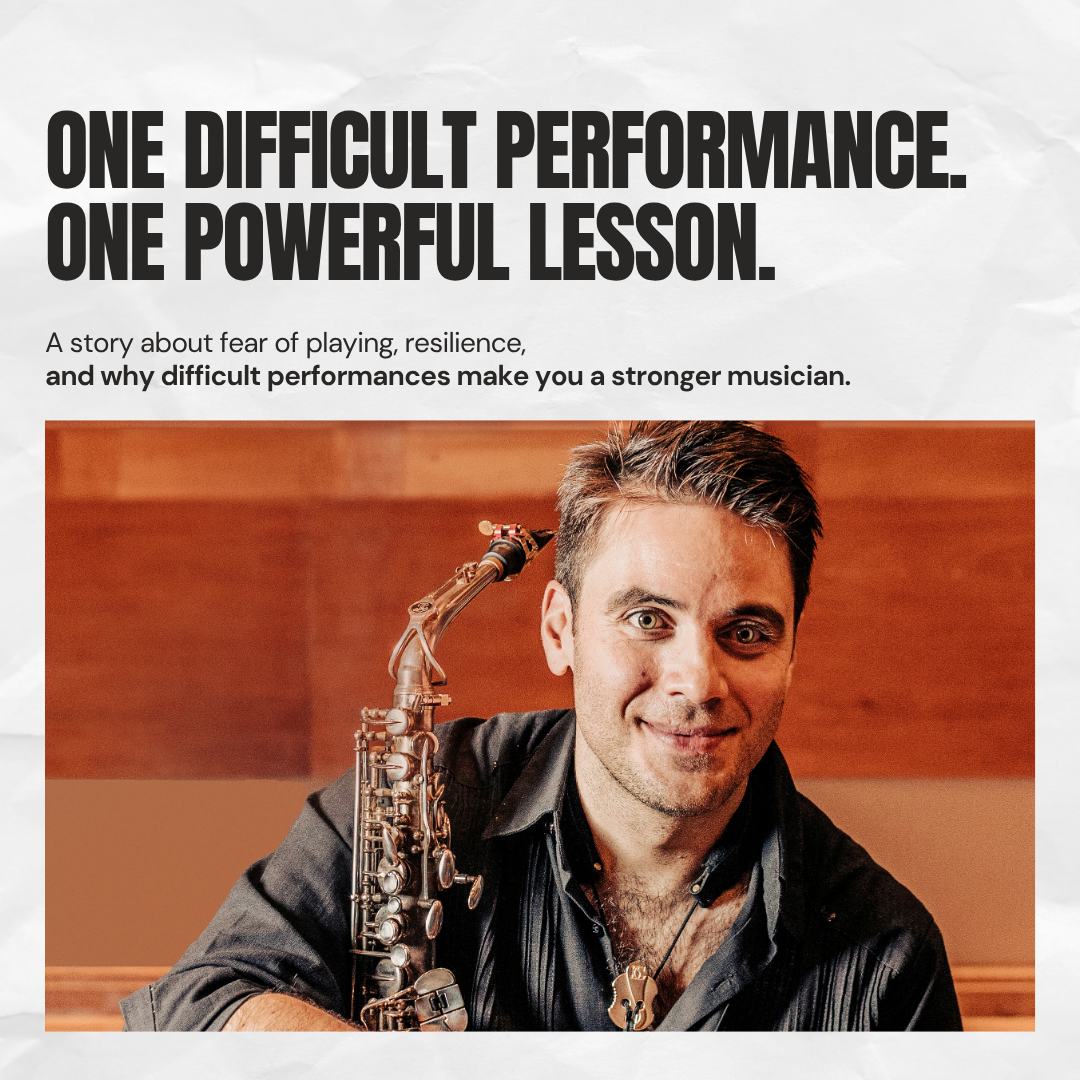
Join the JVL Pro membership to study Richie Beirach’s composition Elm with us in August.
Early Life and Musical Foundations
Born on May 23, 1947, in New York City, Richard Alan Beirach’s early connection to music was profound and intuitive. Unlike many, he embraced classical music and jazz simultaneously, balancing discipline and creative freedom from a young age. His natural sensitivity to sound caught the attention of jazz legend Lenny Tristano while still in high school. Under Tristano’s mentorship, Beirach learned more than technique; he absorbed the values of clarity, emotional honesty, and deep listening—principles that would define his artistic voice.
Beirach continued his formal education at the Berklee College of Music but soon moved to the Manhattan School of Music. There, he studied under Ludmila Ulehla and deepened his theoretical knowledge, culminating in a master’s degree in music theory and composition in 1972. This academic milestone was not just a credential but a testament to his dedication to understanding music’s architecture and emotional resonance.
Career: Collaborations and Compositions
Breaking Into the Jazz Scene
1972 marked Beirach’s professional debut. He quickly found his place alongside influential figures like saxophonist Stan Getz, whose lyrical phrasing complemented Beirach’s introspective piano style. These collaborations opened doors and confirmed that Beirach’s subtle intensity belonged on the world’s biggest jazz stages.
Partnerships That Shaped His Sound
Beirach’s partnership with trumpeter Chet Baker highlighted his capacity for musical sensitivity. Instead of competing with Baker’s fragile melodies, Beirach’s piano became a listener’s instrument, responding gently and enhancing emotional expression.
Possibly the most significant collaboration was with saxophonist David Liebman. Starting in the late 1960s, their work together in groups like Lookout Farm and Quest created music that felt spiritual and unafraid of silence. Their duo performances stripped jazz to its emotional essence, proving that two deeply connected voices can convey profound meaning.
Compositions Rooted in Emotional Truth
Beyond performance, Beirach’s compositions gained quiet reverence. Pieces like Leaving and Elm entered the jazz repertoire not by flashiness but through their timeless emotional honesty. These works still resonate with musicians and listeners for their profound simplicity and depth.
Teaching and Later Life in Leipzig
In 2000, Beirach moved to Leipzig, Germany, transitioning into a role as a revered jazz piano instructor at the Felix Mendelssohn Bartholdy School. His teaching extended beyond technical skills; he instilled in students the art of listening deeply, feeling music, and respecting the spaces between notes. Leipzig became a sanctuary where Beirach blended performance and pedagogy, enriching a new generation of musicians while carrying the echoes of his New York roots.
Unique Playing Style: Emotion Before Ego
Richie Beirach’s piano playing was a mirror of his inner world—thoughtful, layered, and intensely human. Influenced but never eclipsed by masters like Art Tatum, Bill Evans, McCoy Tyner, and Chick Corea, Beirach merged classical rigor with jazz vulnerability. This balance gave birth to a style marked by:
- Intentional phrasing, shaped by memory and feeling rather than technical display
- A dynamic range that moved gently or with quiet power depending on emotional demand
- A voice that often felt like a personal letter, intimate and sincere
Beirach’s music invited listeners to enter a space where notes spoke softly yet carried profound emotional weight. Unlike ostentatious virtuosos, he valued subtle communication over showmanship.
Legacy and Passing
Richie Beirach passed away peacefully on January 26, 2026, at age 78, after years of undisclosed health struggles. Despite his physical decline, his spirit lived on through his music and teachings. His death was a quiet but significant loss in the jazz community—one that mourned an artist who expressed brilliance not through loudness but through a glowing, soft light.
Richie Beirach exemplified a different kind of jazz artistry—one grounded in emotional truth, collaborative respect, and lifelong curiosity. His music remains a soft but powerful echo for all who seek connection in sound.